Transforming Commercial Environments with Advanced Audio Technologies for Enhanced Client Interaction
Contemporary commercial spaces growingly turn on tech to design environments that are both efficient and inviting. Among the most impactful tools for improving these environments are integrated acoustic solutions. These systems provide organizations to deliver consistent and clear audio throughout business sections, offices, or service spaces. By adopting networked acoustic systems, companies can control background music, announcements, and sound prompts from a centralized interface, maintaining every section of the environment maintains the intended environment. The planned use of acoustics adds to customer satisfaction and enjoyment, which is essential for maintaining clientele and driving return visits.
Integrated sound technologies also offer a important purpose in optimizing workflow. For extensive commercial areas or multi-floor office buildings, controlling audio directly can be cumbersome and variable. Networked platforms deliver centralized command, allowing staff to tune sound levels, set music selections, or broadcast announcements instantly throughout multiple zones. This degree of control limits the need for ongoing intervention and maintains that all sections experience the uniform quality of sound. Companies can also integrate monitoring systems with these systems to track audio usage and improve content delivery, additionally improving the overall client and team experience.
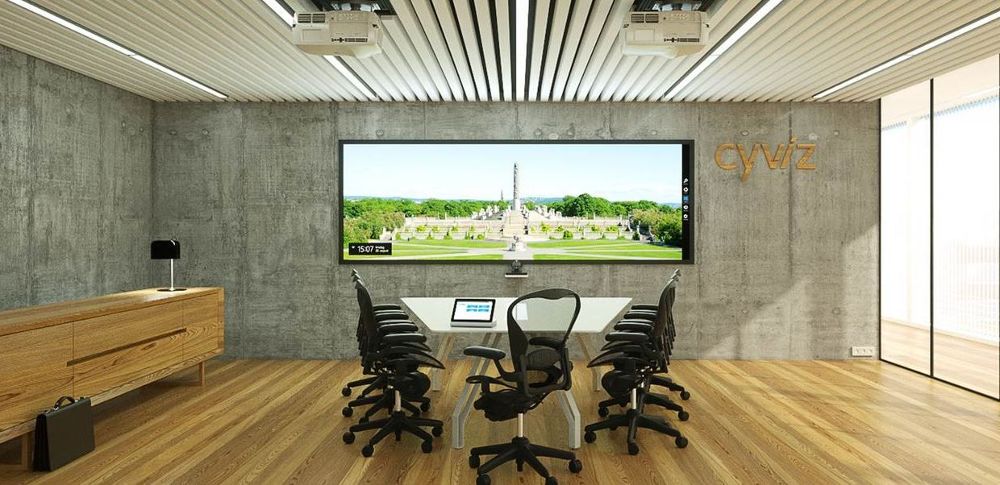
Another significant element of networked acoustic technologies is their contribution to brand identity. Audio strategy is a nuanced yet influential element that influences impression and interaction. Thoughtfully designed audio tracks and acoustic signals can reinforce a company’s identity, making the environment feel inviting and refined. For instance, businesses can use selected sound styles or rhythms to increase longer browsing times, while restaurants can adjust ambient sound you could try here to enhance meal experiences. The uniformity of sound throughout all zones of a organization assists maintain a integrated atmosphere that strengthens both business and functional outcomes.
Protection and usability are other values of integrated acoustic technologies in business spaces. These networks can be connected with alert systems to deliver precise instructions during emergencies or urgent situations. Reliable sound coverage guarantees that additional resources every part of the building receives alerts simultaneously, reducing confusion and improving safety outcomes. Furthermore, audio systems can provide inclusive functions, such as audio prompts or inclusive notifications, supporting the accessibility of the space. Incorporating these functionalities shows a focus to both consumer service and standards.
Finally|Ultimately|In conclusion, implementing in connected audio technologies provides long-term advantages for organizations. Beyond immediate enhancements to customer experience, these solutions offer scalability, reliability, and adjustability as retail areas change. Enhancing or expanding acoustic solutions can be implemented without major downtime, and the ability to customize acoustic parameters ensures that organizations can adapt efficiently to new requirements or preferences. By leveraging state-of-the-art sound systems, companies can create functional, optimized, and secure environments that elevate both consumer engagement and business efficiency, positioning these systems an vital element of contemporary commercial design.